
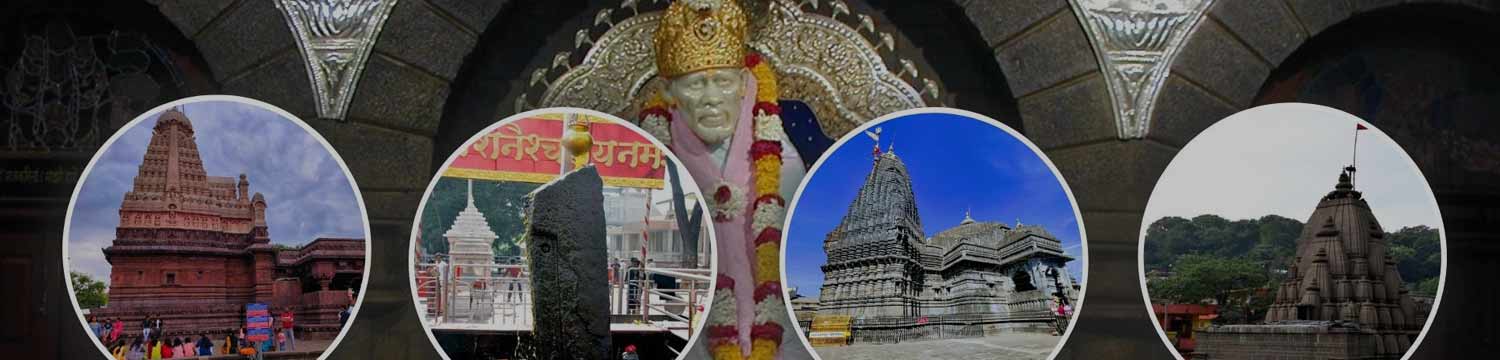
3 Jyotirlinga in Maharashtra Tour Package
Duration : 02 Nights / 03 Days |
Destination : Shirdi - Grishneshwar - Shani Shinganapur - Ahmednagar - Bhimashankar - Mumbai
Price : On Request
Overview
This 3 Jyotirlinga in Maharashtra tour package is perfect for devotees looking for a well-organized and meaningful spiritual experience in a short amount of time because of its well-planned routes, comfortable travel, and darshan time. With our all-inclusive trip packages, organizing a pilgrimage to Maharashtra's three revered Jyotirlingas—Trimbakeshwar, Bhimashankar, and Grishneshwar—can be a smooth process.
Itinerary for 3 Jyotirlinga in Maharashtra tour package 2026
Day 01: Mumbai to Shirdi
Start your spiritual journey by leaving Mumbai early and taking the Trimbakeshwar route to Shirdi. By late afternoon or early evening, arrive in Shirdi. One of the most important pilgrimage sites in India is the hallowed Shirdi Sai Baba Temple. On weekends, darshan can take up to three or four hours, so it is highly advised for devotees to reserve darshan times online in advance. Once darshan is done , check into the hotel and spend the night in Shirdi.
Day 02: Shirdi – Grishneshwar – Shani Shinganapur – Ahmednagar
After breakfast, leave Shirdi and head for Ellora. One of Lord Shiva's twelve holy Jyotirlingas is Grishneshwar Jyotirlinga. Proceed to Shani Shinganapur Temple, a famous shrine devoted to Lord Shani, after darshan. Drive to Ahmednagar after visiting temples. Get to the hotel in the evening, settle in, and spend the night. The day's total travel distance is roughly 320 kilometers.
Day 03: Ahmednagar – Bhimashankar – Mumbai
Drive to Bhimashankar Jyotirlinga, which is tucked away in the Sahyadri hills, early in the morning. Visit this historic Jyotirlinga temple, which is surrounded by tranquil natural beauty, to seek blessings. Start traveling back to Mumbai or Pune after darshan. The spiritually enlightening 3 Jyotirlinga tour in Maharashtra comes to an end when you arrive at your destination and take in the beautiful scenery along the way. The entire driving distance is approximately 320 kilometers.
Package Inclusions
- Accommodation on twin/double/triple sharing basis at Hotel.
- Daily breakfast at Hotel.
- Pickup drop available from Mumbai/Nashik/Pune.
- Transportation use : -Sedan / Suv / Tempo Traveler Etc.
- Driver Allowances, toll,toll tax & All Parking Charge.
Exclusions
- Airfare
- Any Lunch & dinner, Mineral Water
- Personal expenses such as tips, laundry, phone call etc.
- Vip Darshan , Entrance fees, camera fee, and monument guide services.
- GST 5% on bill
- Anything not specifically mentioned under the head“Cost Inclusion”.
- Extra nights in hotel due to ill health, flight cancelation, Road blockage or any other reason.
Three Jyotirlinga in Maharashtra Tour Package
Maharashtra's three Jyotirlingas, Trimbakeshwar, Bhimashankar, and Grishneshwar, present a distinctive fusion of spirituality, heritage, and scenic beauty. Each temple offers pilgrims a life-changing experience because of its unique qualities and deep religious importance. In addition to strengthening a person's spiritual bond with Lord Shiva, visiting these hallowed locations offers an opportunity to fully experience Maharashtra's rich cultural and historical legacy.
Significance of Jyotirlingas in Hinduism
One of the main deities in the Hindu pantheon, Lord Shiva, is said to have resided in the most sacred places, the Jyotirlingas.
The Legend of Jyotirlingas
The trinity of gods—Brahma, the creator; Vishnu, the preserver; and Shiva, the destroyer—had a disagreement, according to Hindu mythology, over who was superior. Shiva challenged Brahma and Vishnu to determine his beginning and end by manifesting as an endless pillar of light in order to resolve this. While Vishnu searched for the bottom, Brahma struggled to ascend. Both were defeated and acknowledged Shiva's omnipotence.
Jyotirlingas are symbols of Lord Shiva's everlasting presence in addition to being holy places. They stand for the ultimate truth, light, and divinity. A pilgrim's trek to the Jyotirlingas is a profound spiritual experience that deepens their relationship with the divine and facilitates their quest for rewards related to a life of righteousness and ultimate emancipation.
Spiritual Significance
1. Path to Moksha: It is said that pilgrims who visit and worship at the Jyotirlingas can achieve moksha, or freedom from the cycle of birth and death, by purging their souls of sins.
2. Divine Light: As the embodiment of Shiva's limitless nature and heavenly light, Jyotirlingas are revered as the purest manifestation of Shiva, guiding followers along the path of truth and righteousness.
3. Spiritual Awakening: In addition to being a physical trek, the pilgrimage to the Jyotirlingas is a spiritual quest that leads to inner serenity, spiritual illumination, and a stronger bond with the divine.
4. Symbol of Faith: For millions of Hindus, Jyotirlingas represent the omnipresence of Lord Shiva and the essence of devotion, making them potent emblems of faith.
3 jyotirlinga in Maharashtra tour: Trimbakeshwar, Bhimashankar, and Grishneshwar
Three of the twelve Jyotirlingas, the most revered shrines of Lord Shiva, are located in Maharashtra, a state renowned for its rich cultural legacy and religious significance. Trimbakeshwar, Bhimashankar, and Grishneshwar are the three Jyotirlingas that draw a large number of devotees from all across the nation and abroad. Every one of these hallowed locations is significant from a historical, architectural, and spiritual standpoint and provides pilgrims with an unforgettable experience.
1. Trimbakeshwar Jyotirlinga
Location: Near Nashik, Maharashtra
Historical Significance: The town of Trimbak is home to Trimbakeshwar Jyotirlinga, which is located roughly 28 kilometers from Nashik. One of the most significant pilgrimage locations in India, it is well-known for its unusual Shiva lingam, which represents the trinity of Brahma, Vishnu, and Mahesh (Shiva). The temple is an important historical site since its beginnings are firmly anchored in old texts and myths.
Architectural Marvel: Built in the Nagara architectural style, the temple has a large sanctuary with elaborate decorations. Kushavarta, a holy kund (water pool) within the temple complex, is thought to be the Godavari River's source.
Religious Importance: Trimbakeshwar Jyotirlinga's distinctive lingam, with three faces signifying the Hindu trinity, gives it great religious significance. Worshipping here, according to the devotees, can help one achieve spiritual emancipation and purge their soul of all sin. A number of significant Hindu ceremonies and celebrations, including the well-known Kumbh Mela, are held in the temple.
2. Bhimashankar Jyotirlinga
Location: Pune District, Maharashtra
Mythological Significance: Nestled in the heart of the Sahyadri hills, Bhimashankar Jyotirlinga is encircled by verdant woods and rich vegetation. This is the location where, according to tradition, Lord Shiva appeared to vanquish the demon Tripurasura. The genesis of the temple is linked to the stirring tale of Shiva's conquest, which stands for the victory of good over evil.
Natural Beauty: The Bhimashankar Wildlife Sanctuary, where the temple is situated, provides pilgrims with a calm and peaceful setting. It is the ideal getaway for both nature lovers and spiritual searchers because of its beautiful surroundings, which include rich biodiversity and gorgeous vistas that enhance the spiritual experience.
Religious Practices: Bhimashankar is an important location for many religious rituals and is respected for its spiritual force. The Shiva lingam is anointed during a ritual called abhishekam (anointing), which is performed at the temple and is said to confer divine benefits on those who perform it. Thousands of pilgrims assemble each year for the Maha Shivaratri festival to rejoice and ask for Lord Shiva's blessings.
3. Grishneshwar Jyotirlinga
Location: Near Ellora Caves, Aurangabad, Maharashtra
Cultural and Historical Context: Ghushmeshwar, also known as Grishneshwar Jyotirlinga, is situated adjacent to the Ellora Caves, a UNESCO World Heritage site. Because of its close vicinity, the temple's historical and cultural value is enhanced by the fact that it was founded during the Rashtrakuta kingdom. The temple has undergone multiple reconstructions and restorations, attesting to its ongoing significance over time.
Architectural Features: The temple features beautiful sculptures and carvings and was constructed out of red volcanic rock. The building's intricate friezes, which feature a variety of mythical scenarios and deities, are a monument to the architects' inventiveness in architecture. The temple is a destination of both spiritual and aesthetic appeal because of its calm environment and exquisite artwork.
Spiritual Importance: Of the twelve Jyotirlingas listed in the Shiva Purana, Grishneshwar Jyotirlinga is thought to be the final one. Devotees travel to the temple, a prominent pilgrimage site, to carry out rites and find spiritual comfort. It is also thought that a pilgrim's spiritual quest is fulfilled when they visit this Jyotirlinga, completing their pilgrimage to all twelve Jyotirlingas.
Information About Three jyotirlinga in Maharashtra
3 jyotirlinga in Maharashtra tour package—Tribakeshwar, Bhimashankar, and Grishneshwar—offers an intensive spiritual experience. These Maharashtra Three Jyotirlinga Packages are made to meet the demands of pilgrims who are looking for spiritual fulfilment and divine benefits. The tour makes sure that pilgrims can participate in rituals and temple events by providing comfortable transportation, lodging, and guided excursions to each Jyotirlinga. Trimbakeshwar, which is close to Nashik, is well-known for its unusual lingam, which represents the trinity of Mahesh, Vishnu, and Brahma. While Grishneshwar, next to the Ellora caves, is rich in architectural splendour and history, Bhimashankar, ensconced in the Sahyadri highlands, offers a calm and attractive setting.
Traveling to each temple is a spiritual and cultural experience because they are all of great religious importance. Whether you choose the basic or personalized Three jyotirlinga tour, Maharashtra's natural beauty and rich tradition will contribute to the pilgrimage's promise of a profound spiritual connection. Three jyotirlinga tour packages are perfect for individuals, families, and groups. They offer a smooth and enriching pilgrimage experience, guaranteeing that devotees can completely immerse themselves in the calm and sacred surroundings of these holy shrines.
How to Book 3 jyotirlinga in Maharashtra tour
Here's a step-by-step guide to booking your tour, along with contact details for any questions you may have and information about our online booking alternatives.
Step 1: Choose Your Package
Explore our selection of travel packages by visiting our website, 3 Jyotirlinga in Maharashtra travel Package. Every package comes with thorough itineraries, choices for lodging, and extra services.
Step 2: Customize Your Tour (if required)
Our staff can assist in tailoring your tour package if you have any special requests or preferences. This can entail changing the schedule, improving the lodging, or adding new locations and activities.
Step 3: Check Availability
Check the availability for the dates you've selected after you've decided on your ideal package. Every package on our website has a calendar view with available dates.
Step 4: Make a Reservation
To reserve your spot, you can either:
- Complete the online booking form by entering your name, email address, desired dates, and any special requests.
- To make a reservation, give our customer service department a call or send them an email.
Step 5: Confirm Your Booking
Our staff will get in touch with you to check the information and give you a detailed cost breakdown as soon as we receive your booking request. You will receive an email with payment instructions and a booking confirmation.
Step 6: Make a Payment
By completing the necessary payment using one of the accepted payment methods, you can secure your reservation. We accept credit/debit cards, bank transfers, and a number of online payment methods.
Step 7: Receive Your Booking Confirmation
You will receive a thorough booking confirmation with all the information you need, including your itinerary, hotel details, and any extra instructions, as soon as your money is processed.
Contact Information for Queries and Reservations
Please use the following methods to contact us if you have any questions or need help with your reservation:
- Customer Service Hotline: +91 9812567225
- Email: info@swastikholiday.com
- Office Address: 2 B 604, Satsang Complex, Poonam Sagar Complex, Mira Road, Mumbai, Maharashtra 401107.
For any questions or reservations, our customer support team is here from Monday through Saturday from 9:00 AM to 6:00 PM IST.
Tips for 3 Jyotirlinga in Maharashtra Tours
Careful planning is necessary to guarantee a smooth and spiritually rewarding pilgrimage to Maharashtra's three Jyotirlingas. Here are some insightful pointers to help you maximize your pilgrimage:
Best Time to go on Maharashtra Three Jyotirlinga Tours
October to March:
- Weather: With nice weather and moderate temperatures between 15°C and 30°C, now is the best time to visit.
- Festivals: Important holidays like Maha Shivaratri fall during this time, heightening the meditative atmosphere.
Avoid:
- Monsoon Season (June to September): Travel might be difficult and plans can be disrupted by heavy rains.
- Summer Season (April to June): Extreme heat and humidity might cause discomfort on the trip.
Packing Essentials and Clothing Tips
Clothing:
- Comfortable Clothes: Light woolen clothing is advised for the evenings and early mornings, especially in hilly regions like Bhimashankar, while light cotton clothing is best for the day.
- Modest Attire: Make sure your attire is appropriate for visiting temples and courteous; stay away from shorts and sleeveless shirts.
- Footwear: You will be walking long miles, especially during the Vaishno Devi yatra, thus comfortable walking shoes are a must.
Essentials:
- Personal Identification: Have current identification with you, such as a driver's license, passport, or Aadhaar card.
- Booking Confirmation: Save copies of your itinerary and booking confirmation.
- Medications: Bring any personal prescriptions you may need, as well as a basic first aid kit that includes bandages, antiseptic cream, and pain relievers.
- Sunscreen and Sunglasses: Take precautions against the sun, especially when traveling throughout the day.
- Reusable Water Bottle: Drink plenty of water and cut down on plastics.
- Umbrella/Raincoat: helpful if you're going somewhere during the rainy season.
- Hand Sanitizer and Masks: Keep yourself clean and safe, especially in crowded areas.
Health and Safety Tips
Health Tips:
- Stay Hydrated: Water is essential, especially for traveling or long-distance walking.
- Eat Wisely: To prevent any digestive problems, limit your diet to light and vegetarian foods. Eat at reliable establishments to guarantee food safety.
- Rest Well: In order to be energetic for the pilgrimage activities, make sure you obtain adequate rest and sleep.
- Altitude Sickness: When visiting Bhimashankar, be mindful of the signs of altitude sickness and take the appropriate safety measures.
Safety Tips:
- Travel in Groups: If at all feasible, go in a group or with friends for increased security and assistance.
- Local Laws and Customs: Observe local customs and adhere to temple laws and guidelines.
- Emergency Contacts: Make a list of emergency contacts that includes the local government, travel agencies, and the embassy of your nation, if any.
- Secure Belongings: To avoid theft, keep your things safe and pay attention to your surroundings.
Temple Etiquette:
- Shoes and Bags: Before entering the temple grounds, take off your shoes. You can also be asked to leave your bags and cameras at some temples.
- Photography: Observe the prohibitions against taking pictures within temple sanctums.
- Behavior: Remain silent and courteous, and heed the guidance of the priests and temple employees.
You can guarantee a secure, pleasant, and spiritually enlightening journey to Maharashtra's three Jyotirlingas by according to these recommendations. Make sure you are well-prepared, honor the traditions of the area, and fully immerse yourself in this holy journey's sublime experience.
Information on Local Festivals and Events
1. Maha Shivaratri
Timing: February or March
Description: One of the most important festivals honoring Lord Shiva is Maha Shivaratri. It is a deeply religious holiday commemorating the night that Shiva performed the cosmic dance known as the Tandava. Devotees participate in intensive devotion of Shiva through rituals, chanting, and offerings. They often observe fasts and hold nightly vigils.
Highlights:
- Unique aartis and pujas performed in Jyotirlinga temples.
- Chanting Shiva mantras and singing devotionally.
- Vibrant processions and ornate temple decorations.
2. Kumbh Mela
Timing: Twelve years from now (Trimbakeshwar)
Description: One of the biggest religious gatherings in the world is the Kumbh Mela held at Trimbakeshwar. For Hindu visitors, traditional washing in the holy Godavari River, which is thought to wash away sins and provide salvation, marks the occasion.
Highlights:
- Rituals of mass bathing at the Godavari River.
- Religious lectures and sadhus (holy men) parades.
- Cultural events and programs.
3. Ganesh Chaturthi
Timing: August or September
Description: In Maharashtra, Ganesh Chaturthi is a significant festival commemorating the birth of Lord Ganesha. Although it is observed throughout the state, the celebrations are most extravagant in the areas surrounding the Jyotirlingas, particularly in Pune and Nashik.
Highlights:
- Placement of Ganesha statues in public pandals and residences.
- Rituals, feasts, and cultural events over ten days.
- On the final day, the idol of Ganesha is submerged in lakes or rivers.
Cultural Practices and Traditions of the Region
1. Language and Literature
- Language: The predominant language in Maharashtra is Marathi. It has a strong literary heritage, with both modern and classical classics influencing Indian writing.
- Literature: Notable poets, writers, and saints from the area include Sant Tukaram and Sant Dnyaneshwar, as well as contemporary writers like P. L. Deshpande.
2. Cuisine
- Staple Foods: The staples of Maharashtrian cuisine are rice, bhakri (millet bread), and dal (lentils), and the cuisine offers a wide range of vegetarian and non-vegetarian dishes.
- Popular Dishes: Among the famous meals are Misal Pav, Puran Poli, Vada Pav, and Bhakri. The area is particularly well-known for its confections, including Shrikhand and Modak, which are favorites of Lord Ganesha.
- Temple Prasad: Devotees at temples such as Trimbakeshwar and Bhimashankar frequently receive prasad, or sacred food offerings, which are regarded as extremely auspicious.
3. Festivals and Rituals
- Worship Practices: Rituals such as aarti (ceremonial light offering), mantra chanting, and abhishekam (anointing with water, milk, or other sacred liquids) are part of the daily devotion of Jyotirlinga temples.
- Ritual Baths: Because they believe it will purge them of their sins and provide them spiritual merit, pilgrims frequently take ritual baths in the holy rivers and water features close to the temples.
Frequently Asked Questions (FAQs) about 3 jyotirlinga in Maharashtra package
Q1. What is the Maharashtra region's three Jyotirlingas' significance?
Of the twelve sacred Jyotirlingas in India, which are regarded as the most cherished abodes of Lord Shiva, the three Jyotirlingas in Maharashtra are Trimbakeshwar, Bhimashankar, and Grishneshwar. Each Jyotirlinga has great religious significance and symbolizes a distinct form of Shiva. Travelers who visit these Jyotirlingas are believed to experience spiritual enlightenment, sin forgiveness, and soul purification.
Q2. What is the average duration of Three jyotirlinga in Maharashtra tour package?
A four- to five-day trip of Maharashtra's three Jyotirlingas is the norm. This covers travel time, going to temples, and engaging in ceremonies. Depending on the package selected and any extra excursions included in the schedule, the precise length may change.
Q3. Which lodging choices are included in the travel packages?
A variety of lodging choices are available in the tour packages to accommodate a range of spending limits and tastes. These consist of luxury lodgings, mid-range hotels, and inexpensive hotels. Every package guarantees cozy accommodations with all the necessities. Certain packages might also include accommodations in heritage buildings or on traditional houseboats in Srinagar.
Q4. Is there transportation included in the tour packages?
Yes, transportation is included in most tour packages. Depending on the package selected, this could take the shape of luxury buses, shared transportation, or even private cars. The Jyotirlingas and other locations on the itinerary can be reached comfortably and hassle-free thanks to the well-planned transit system.
Q5. Do the travel packages include meals?
Meals are usually included in tour packages, usually breakfast and dinner; lunch may be brought along or purchased from nearby restaurants. The meal plans change depending on the package, and some provide all-inclusive choices that include each of the three meals. It is advisable to confirm the meal plan details at the time of package booking.
Q6. Is it possible to alter my 3 jyotirlinga in Maharashtra tour package?
Indeed, a lot of tour companies provide bespoke packages. This enables you to modify the schedule to fit your tastes, like adding new locations, improving your lodging, or adding particular activities. Packages that can be customized guarantee a unique and satisfying pilgrimage experience.
Q7. When is the ideal time to travel to Maharashtra and see the Jyotirlingas?
October through March, when the weather is cooler, is the ideal time of year to visit the Jyotirlingas in Maharashtra. The beautiful weather makes traveling and seeing temples comfortable. Significant holidays like Maha Shivaratri fall during this time, which heightens the meditative atmosphere. Avoiding the summer season (April to June) because of the high temperatures and the monsoon season (June to September) because of the heavy rains is advised.
Q8. Can I take part in any particular rites or rituals at the Jyotirlingas?
Yes, devotees are able to take part in a variety of ceremonies at the Jyotirlingas, including special pujas, aarti (a devotional light offering), and abhishekam (anointing of the Shiva lingam). A lot of temples also provide spaces for private rites and celebrations, such Rudrabhishek, which is a unique way to worship Lord Shiva. It is advised to inquire about the precise schedule and arrangements for these rites from the temple officials.
Amarnath Yatra Travel Guide
Which Route is better for Amarnath Yatra by Helicopter What Should I Carry on Amarnath Yatra Trip Travel Tips for Amarnath Yatra Do and don'ts in Amarnath YatraAmarnath Yatra Packages From Other City
Amarnath yatra tour package from Bangalore Amarnath Yatra by Helicopter Amarnath yatra tour package from Coimbatore Amarnath yatra tour package from Chennai Amarnath yatra tour package from Delhi Amarnath yatra tour package from Hyderabad Amarnath yatra tour package from Jaipur Amarnath yatra tour package from Kolkata Amarnath yatra tour package from Mumbai Amarnath yatra tour package from Vijayawada Amarnath Yatra by Helicopter from MumbaiAmarnath Yatra by Helicopter from DelhiAmarnath Yatra by Helicopter from JammuJyotirlinga Tour Packages
3 Jyotirlinga in Maharashtra Tour Package 5 Jyotirlinga in Maharashtra Tour Package 7 Jyotirlinga in Tour Package 9 Jyotirlinga in Tour Package 12 Jyotirlinga in Tour PackageJyotirlinga Packages From Other City
3 Jyotirlinga in Maharashtra tour from Ahmedabad3 Jyotirlinga in Maharashtra tour from Bangalore 3 Jyotirlinga in Maharashtra tour from Chennai 3 Jyotirlinga in Maharashtra tour from Chandigarh3 Jyotirlinga in Maharashtra tour from Delhi 3 Jyotirlinga in Maharashtra tour from Hyderabad3 Jyotirlinga in Maharashtra tour from Kolkata3 Jyotirlinga in Maharashtra tour from Mumbai3 Jyotirlinga in Maharashtra tour from Nagpur3 Jyotirlinga in Maharashtra tour from Nashik 3 Jyotirlinga in Maharashtra tour from Pune3 Jyotirlinga in Maharashtra tour from Surat5 Jyotirlinga in Maharashtra Tour from Aurangabad5 Jyotirlinga in Maharashtra package from Bangalore 5 Jyotirlinga in Maharashtra package from Delhi5 Jyotirlinga in Maharashtra package from Hyderabad 5 Jyotirlinga in Maharashtra package from Mumbai 5 Jyotirlinga in Maharashtra package from Nashik5 Jyotirlinga in Maharashtra package from Pune5 Jyotirlinga in Maharashtra package from SuratContact Info
