
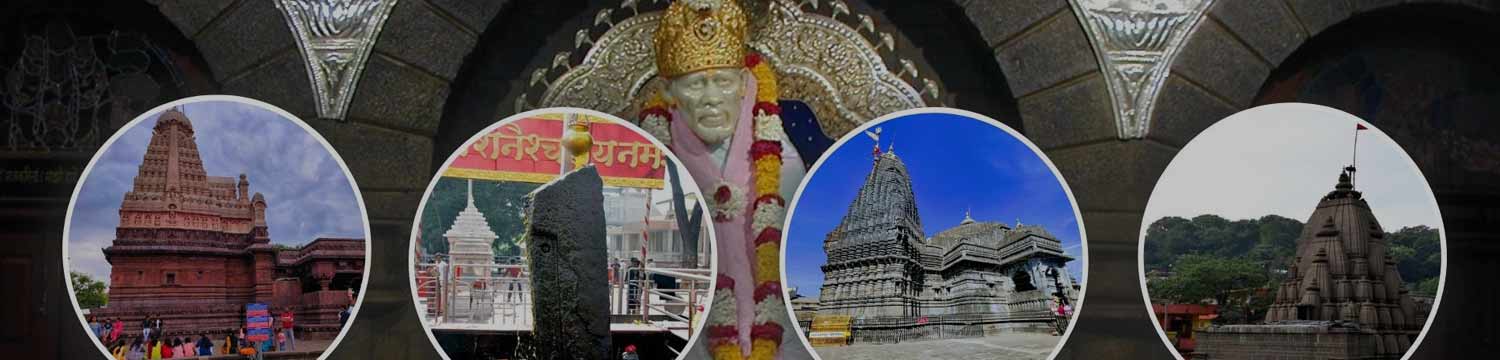
5 Jyotirlinga in Maharashtra Tour Package
Duration : 03 Nights / 04 Days |
Destination : Trimbakeshwar - Grishneshwar – Aundha Nagnath – Parli Vaijnath - Bhimashankar – Shani Shinganapur
Price : On Request
Overview
Trimbakeshwar, Grishneshwar, Aundha Nagnath, Parli Vaijnath, Bhimashankar, and holy sites like Shirdi and Shani Shinganapur are all included in the spiritually rewarding 5 Jyotirlinga in Maharashtra tour package. This meticulously organized pilgrimage, which begins in Mumbai, combines devotion, mythology, and picturesque travel throughout Maharashtra
Itinerary for 5 Jyotirlinga in Maharashtra tour package 2026
Day 01: Mumbai – Trimbakeshwar – Shirdi
Start your pilgrimage by leaving Mumbai early and making your way to Trimbakeshwar Jyotirlinga, which is close to Nashik. Attend darshan at this holy temple, which is connected to the Godavari River's source and is renowned for its distinctive three-faced lingam. Proceed to Shirdi, one of India's most revered pilgrimage sites, after darshan. Arrive in the evening to attend the darshan at the Sai Baba temple. Spend the night in Shirdi after checking into the hotel. 300 kilometers is the approximate travel distance.
Day 02: Shirdi – Grishneshwar – Aundha Nagnath – Parli
Drive from Shirdi to Grishneshwar Jyotirlinga, which is close to Ellora, after breakfast. Visit this historic Jyotirlinga temple, renowned for its exquisite stone architecture, to seek blessings. Proceed to one of the oldest temples devoted to Lord Shiva, Aundha Nagnath Jyotirlinga. After darshan, move on to Parli. Reach the motel by late evening, check in, and spend the night there. The day's total trip distance is roughly 400 kilometers.
Day 03: Parli – Parli Vaijnath – Shani Shinganapur – Ahmednagar
At Parli Vaijnath (Baidyanath) Jyotirlinga, a widely esteemed temple connected to devotion and healing, begin the day with darshan. After darshan, head to the well-known Lord Shani temple in Shani Shinganapur. After visiting temples, drive on to Ahmednagar. Get to the hotel in the evening, settle in, and spend the night. 390 kilometers is the approximate trip distance.
Day 04: Ahmednagar – Bhimashankar – Mumbai / Pune
Head to Bhimashankar Jyotirlinga, which is tucked away in the verdant Sahyadri hills, after an early breakfast. Attend darshan at this hallowed temple, renowned for its spiritual significance and tranquil settings. After darshan, start your journey back to Pune or Mumbai. Before wrapping off your spiritually enlightening 5 Jyotirlinga trip in Maharashtra, take in the beautiful scenery along the way. 180–220 km is the approximate trip distance.
Package Inclusions
- Accommodation on twin/double/triple sharing basis at Hotel.
- Daily breakfast at Hotel.
- Pickup drop available from Mumbai/Nashik/Pune.
- Transportation use : -Sedan / Suv / Tempo Traveler Etc.
- Driver Allowances, toll,toll tax & All Parking Charge.
Exclusions
- Airfare
- Any Lunch & dinner, Mineral Water
- Personal expenses such as tips, laundry, phone call etc.
- Vip Darshan , Entrance fees, camera fee, and monument guide services.
- GST 5% on bill
- Anything not specifically mentioned under the head“Cost Inclusion”.
- Extra nights in hotel due to ill health, flight cancelation, Road blockage or any other reason.
Five Jyotirlinga in Maharashtra Tour Package
Five jyotirlinga in Maharashtra tour package that includes all five Jyotirlingas is a great option for anyone looking to develop a closer relationship with Shiva. It offers the chance to experience the heavenly energy of these Jyotirlingas and take part in prayers and rituals that are said to confer great spiritual benefits. With options ranging from affordable to luxurious, the Maharashtra Panch Jyotirlinga Packages accommodate a variety of needs and tastes, making it possible for every devotee to participate in this holy pilgrimage.
The Significance of Jyotirlingas in Hinduism
Hindu mythology is rife with references to Jyotirlingas. The Shiva Purana states that Lord Shiva intervened as a massive light pillar, or Jyotirlinga, to resolve a dispute between Lord Brahma and Lord Vishnu regarding who was superior. Shiva's unlimited nature was proved when neither Brahma nor Vishnu could determine the beginning or end of this infinite light. The significance of the Jyotirlingas as symbols of Shiva's omnipresence and perpetual might is emphasized by this tale.
In Hinduism, visiting the Jyotirlingas is seen as an extremely fortunate pilgrimage. The darshan (sight) of these holy lingas, according to devotees, purifies the soul, erases sins, and brings about spiritual enlightenment. The "Teerth Yatra," or pilgrimage deed, is viewed as a path of devotion and self-discovery that leads to moksha, or freedom from the cycle of birth and death.
Maharashtra Panch Jyotirlinga Tour Package
Since five of the twelve Jyotirlingas are located in Maharashtra, a state rich in spiritual and cultural heritage, Maharashtra is a popular travel destination for Shiva worshipers. An organized and spiritually enlightening tour to these sacred locations is provided by the 5 jyotirlinga in maharashtra tour package. Visits to Bhimashankar, Trimbakeshwar, Grishneshwar, Aundha Nagnath, and Parli Vaijnath—each with a distinct history and spiritual significance—are usually included in this 5 Jyotirlinga in Maharashtra tour.
Nestled amidst lush foliage, the Bhimashankar Jyotirlinga is a quiet sanctuary for pilgrims. It is considered to be the source of the Bhima River and is situated in the Sahyadri hills. Located close to Nashik, Trimbakeshwar Jyotirlinga is distinguished by its three-faced linga, which is said to symbolize Lord Brahma, Lord Vishnu, and Lord Shiva. It is also strongly linked to the holy Godavari River. Grishneshwar Jyotirlinga is regarded as the final Jyotirlinga on Earth and is situated close to the Ellora Caves, a UNESCO World Heritage site. It is renowned for its elaborate carvings. The historically famous Aundha Nagnath Jyotirlinga in the Hingoli area is thought to have been constructed by Yudhishthira, the eldest Pandava. Last but not least, Vaidyanath, or Parli Vaijnath Jyotirlinga in Beed district, is well known for its belief in healing and curing illnesses.
Tour to 5 Jyotirlinga in Maharashtra
With accommodations, transportation, guided temple visits, and occasionally meals included, the trip packages are made to offer a hassle-free pilgrimage experience, allowing devotees to concentrate on their spiritual activities without worrying about practical matters.
With careful attention to detail, Maharashtra Panch Jyotirlinga Tours and Maharashtra Panch Jyotirlinga Packages include every important facet of the pilgrimage, from cozy lodging to expert guides who share insights into the background and significance of each Jyotirlinga. These five jyotirlinga tour packages guarantee pilgrims a memorable and spiritually rewarding trip. It's simple to reserve a five jyotirlinga package with us. These packages give you more insight into the spiritual meaning of the Jyotirlingas in addition to convenience.
List of 5 Jyotirlingas in Maharashtra
The state of Maharashtra is exceptionally fortunate to be the birthplace of five of India's twelve Jyotirlingas. Millions of devotees visit these hallowed locations annually, and they are held in great regard. Let's examine the specifics of every Jyotirlinga, their importance, and the services provided by different travel packages.
1. Bhimashankar Jyotirlinga
Location: Sahyadri Hills, Pune District
Nestled in the verdant Sahyadri Hills sits Bhimashankar Jyotirlinga. Its spiritual significance is increased by the belief that this Jyotirlinga is the source of the Bhima River. The temple is perfectly situated between nature and spirituality, with its excellent Nagara-style architecture and surrounding animal sanctuary.
Spiritual Significance: It is said that Lord Shiva transformed into Bhima at Bhimashankar in order to vanquish the demon Tripurasura. This linga's holy aura is further enhanced by the legend that it self-emerged (Swayambhu).
2. Trimbakeshwar Jyotirlinga
Location: Trimbak, Nashik District
Trimbakeshwar Jyotirlinga, which is located close to Nashik, is well-known for its unusual three-faced linga, which is said to represent Lord Shiva, Lord Vishnu, and Lord Brahma. The Godavari River, regarded as the most sacred river in southern India, has its source in close proximity to the temple.
Spiritual Significance: Every twelve years, during the Kumbh Mela, the temple gains even more significance. It is said that carrying out rites here can result in achieving moksha, or emancipation.
3. Grishneshwar Jyotirlinga
Location: Ellora, Aurangabad District
Situated next to the UNESCO World Heritage Site, Ellora Caves, is Grishneshwar Jyotirlinga. The smallest of the twelve Jyotirlingas, it is renowned for its exquisite carvings and stunning architecture that capture the rich cultural legacy of India.
Spiritual Significance: According to legend, this is the location where a pious mother named Kusuma worshipped Lord Shiva and, through her prayers, revived her dead son. The holiness and supernatural powers of the temple are highlighted by this miracle.
4. Aundha Nagnath Jyotirlinga
Location: Hingoli District
The history of Aundha Nagnath Jyotirlinga dates back to the Mahabharata period, making it one of the oldest temples. This temple is thought to have been constructed during the Pandavas' banishment by Yudhishthira, the eldest of the group.
Spiritual Significance: The temple is special because it honors Nageshwar, a manifestation of Lord Shiva. Worshippers think that by coming here, they can be shielded from poisons of all kinds and be bestowed with prosperity and good health.
5. Parli Vaijnath Jyotirlinga
Location: Beed District
Vaidyanath, also known as Parli Vaijnath Jyotirlinga, is thought to possess extraordinary healing abilities. The term "Vaidyanath" implies that Lord Shiva attends to the illnesses of his followers in this role as a physician (Vaidya).
Spiritual Significance: This temple is well-known for its devotion to the notion that prayer here can bring good health and heal illnesses. The complex of temples features exquisite sculptures and carvings that make it an architectural wonder as well.
Maharashtra Panch Jyotirlinga Tours and Packages
A travel package that includes all five Jyotirlingas in Maharashtra provides a thorough pilgrimage experience for those looking for a spiritually enlightening journey. These programs, which usually include nice lodging and guided visits, encompass all five Jyotirlingas over a period of many days.
Five jyotirlinga tour Highlights:
- Transportation: Comfortable modes of transportation include private vehicles, trains, and AC buses.
- Accommodation: Stay at contemporary hotels or guest homes close to the temples.
- Guided Tours: Each Jyotirlinga is explained historically and spiritually by knowledgeable guides.
- Meals: Vegetarian meals are included in many packages to make travel hassle-free.
- Special Poojas: Plans for unique poojas and ceremonies at the temples.
Additional Tips for Pilgrims:
- Best Time to Visit: When the weather is nice, from October to March is the best time to make the trek.
- Packing Essentials: Bring along any necessary travel documents, walking shoes, comfortable clothing, and prescriptions.
- Health and Safety: Drink plenty of water, eat healthily, and observe any local traditions or temple regulations.
- Festivals and Events: Arrange your vacation around regional celebrations such as Maha Shivaratri and Kumbh Mela to immerse yourself in the lively cultural events.
Pilgrims may expect a deeply spiritually fulfilling and culturally absorbing experience from the 5 Jyotirlinga in Maharashtra travel package. In addition to asking for heavenly favors, a visit to these revered Jyotirlingas offers the opportunity to learn about Maharashtra's rich cultural legacy. A rewarding and unforgettable pilgrimage experience is provided by the Maharashtra Panch Jyotirlinga Tours, whatever of your purpose for traveling—from seeking spiritual enlightenment to exploring local culture.
Best Time to go on 5 jyotirlinga in Maharashtra tour
In Maharashtra, October through March are the coolest months to visit the five Jyotirlingas. The nice weather during this time of year makes traveling and visiting temples comfortable. These months also coincide with a number of important Hindu holidays, which heightens the spiritual experience. It is especially auspicious to visit during Maha Shivaratri, which usually takes place in February or March since the temples are exquisitely decked and there are special prayers and ceremonies performed.
How to Reach These 5 Jyotirlinga
In Maharashtra, Jyotirlingas can be reached by road, train, and occasionally by air. Here is a thorough explanation of how to go to each Jyotirlinga:
Bhimashankar Jyotirlinga
By Air: Pune International Airport is the closest airport, situated roughly 110 kilometers away. Pune has regular flights to major cities including Bangalore, Delhi, Mumbai, and Pune.
By Train: Pune Junction, which has excellent connections to all of the main Indian cities, is the nearest train station. You can take a bus or rent a taxi to get to Bhimashankar from Pune.
By Road: Pune and Mumbai have excellent road connections to Bhimashankar. There are plenty of private cabs and state transportation buses available. About four hours are needed for the drive from Pune to Bhimashankar.
Trimbakeshwar Jyotirlinga
By Air: Nashik Airport, which is around 30 km distant, is the closest airport. However, it is more practical to fly into Mumbai's Chhatrapati Shivaji International Airport, which is around 170 kilometers distant, for better connection.
By Train: About 28 kilometers away from Trimbakeshwar is the closest railhead, Nashik Road Railway Station. Regular train services connect Nashik to Pune, Mumbai, and other major cities.
By Road: Trimbakeshwar has excellent road access from Pune, Mumbai, and Nashik. There are cabs, private buses, and state transportation buses available. It takes around one hour to get from Nashik to Trimbakeshwar.
Grishneshwar Jyotirlinga
By Air: About 30 km distant, Aurangabad Airport is the closest airport and offers frequent flights to Delhi, Mumbai, and other important cities.
By Train: The closest railhead is Aurangabad Railway Station, which is about 30 kilometers from Grishneshwar. Rail connections between Aurangabad and other cities like Hyderabad, Pune, Mumbai, and others are good.
By Road: Grishneshwar is conveniently located near Aurangabad on the road. The drive takes around one hour, and there are private taxis and state transportation vehicles available.
Aundha Nagnath Jyotirlinga
By Air: With only a few flight services, Nanded Airport is the closest airport, located around 90 kilometers distant. The airport in Aurangabad, which is around 210 km away, has superior connections.
By Train: About 25 kilometers away from Aundha Nagnath is the nearest train station, Hingoli Railway Station. Major cities including Mumbai, Pune, and Nagpur are connected to Hingoli.
By Road: Aundha Nagnath has excellent road connections with Aurangabad, Nanded, and Hingoli. The trip from Hingoli takes approximately 45 minutes, and private cabs and state transit vehicles are both an option.
Parli Vaijnath Jyotirlinga
By Air: About 190 kilometers away, Aurangabad Airport is the closest airport. Latur Airport is also conveniently located, around 70 km distant, for additional connecting choices.
By Train: The closest train station is Parli Vaijnath Railway Station, which is only two kilometers from the temple. It has excellent connections to Nagpur, Hyderabad, Pune, Mumbai, and other places.
By Road: Road connections to Parli Vaijnath are excellent from surrounding cities such as Latur, Aurangabad, and Nanded. There are private taxis and state transportation buses available. From Aurangabad, the drive takes roughly four hours.
Packing Essentials and Clothing Tips
Considering your packing options before leaving on your journey to visit the five Jyotirlingas in Maharashtra will help make your trip more enjoyable. Here are a few crucial pointers:
Packing Essentials
1. Clothing: Bring modest, easy-to-wear, and light attire that is appropriate for visiting temples. While males can wear kurtas or dhotis, women can think about wearing sarees or salwar kameez.
2. Footwear: Walking is a big part of visiting temples, therefore comfortable shoes are essential. Bring slip-on shoes or sandals as well for visiting temples.
3. Weather-Appropriate Gear: Packing for the season should be considered. When visiting in the winter, pack warm clothes like shawls and sweaters. Bring sunscreen, hats, sunglasses, and light-colored cotton clothing in the summer.
4. Personal Hygiene Items: Bring a first aid kit, wet wipes, hand sanitizer, and personal hygiene items.
5. Medications: Bring any personal prescriptions you may need, as well as a basic first aid kit with band-aids, antiseptics, pain killers, and any other supplies you may need.
6. Snacks and Water: Bring water bottles and little snacks, especially if you're traveling with small children or senior citizens.
7. Documentation: Make sure you have all the required travel documentation, such as tickets, hotel reservations, and ID proofs.
Clothing Tips
1. Modesty: To show respect for the temples' religious and cultural sensibilities, dress modestly. Steer clear of exposing clothing, sleeveless shirts, and shorts.
2. Comfort: Since visiting temples often involves walking long distances and climbing stairs, wear comfortable clothing that fits well.
3. Layering: Layering your clothing might help you adapt to changing temperatures throughout the day if you're traveling in the cooler months.
Health and Safety Tips
1. Stay Hydrated: Stay hydrated by drinking lots of water, especially in the summer.
2. Eat Wisely: To prevent foodborne infections, choose to eat in sanitary establishments. Another safe option is to bring your own snacks.
3. Emergency Numbers: Make sure you have a list of emergency phone numbers on hand, which should include your tour operator, nearby hospitals, and police stations.
4. Travel Insurance: To ensure further security and coverage during your vacation, think about purchasing travel insurance.
5. Stay Vigilant: Keep an eye on your surroundings and make sure your possessions are safe.
6. Health Precautions: Consult your physician before to the trip if you have any pre-existing medical concerns, and make sure you have the required prescriptions.
Frequently Asked Questions (FAQs) about 5 jyotirlinga in Maharashtra tour
Q1. What is covered by the 5 jyotirlinga in Maharashtra tour package?
A typical Maharashtra travel package for the five Jyotirlingas includes lodging, transportation, guided temple tours, and occasionally meals. Visits to Bhimashankar, Trimbakeshwar, Grishneshwar, Aundha Nagnath, and Parli Vaijnath Jyotirlingas are included in the package.
Q2. What is the duration of the 5 jyotirlinga in Maharashtra tour?
While the length of a Maharashtra travel package to see the five Jyotirlingas can vary, it typically lasts five to seven days. This gives enough time to visit every Jyotirlinga, carry out rituals, and take in the sights around the area. Certain packages allow pilgrims to personalize their stay according to their preferences.
Q3. When is the ideal time to go on 5 jyotirlinga in Maharashtra tour?
October through March is the ideal time to schedule a trip of the five Jyotirlingas in Maharashtra. The nice weather during these months makes traveling and visiting temples comfortable. Major celebrations like Maha Shivaratri and Shravan Maas also take place during this time, offering a spiritually enlightening experience.
Q4. Are there many kinds of trip packages available for Maharashtra Panch Jyotirlinga?
yes, a variety of Maharashtra Panch Jyotirlinga Packages are offered to accommodate a range of spending limits and tastes. These consist of normal packages, deluxe packages, and affordable packages. Pilgrims can select the package that best suits their needs from among the several levels of comfort and amenities available in each package.
Q5. What should I bring for my tour to see the five Jyotirlingas in Maharashtra?
Pack light, comfortable clothing appropriate for temple visits, walking shoes that are comfortable, personal hygiene products, prescriptions, weather-appropriate gear, food, and water for your journey of the five Jyotirlingas in Maharashtra. To honor religious beliefs, modest clothing is advised, and layering helps help with temperature adjustments.
Q6. Do Maharashtra Panch Jyotirlinga Packages include guided tours?
Yes, guided tours are a part of the majority of Maharashtra Panch Jyotirlinga Packages. Skilled tour leaders offer valuable perspectives on the background, importance, and customs surrounding every Jyotirlinga. By providing a deeper awareness of the spiritual and cultural traditions associated with the temples, this improves the pilgrimage experience.
Q7. What health and safety advice is provided for the five-day Jyotirlinga tour?
A safe and healthy five-day trip to the Jyotirlingas should include drinking plenty of water, eating at clean locations, packing personal medications, having emergency contact information on hand, thinking about purchasing travel insurance, being aware of your surroundings, and adhering to temple and local norms. Comfortable footwear and modest clothing are also suggested for a pleasant pilgrimage experience.
Amarnath Yatra Travel Guide
Which Route is better for Amarnath Yatra by Helicopter What Should I Carry on Amarnath Yatra Trip Travel Tips for Amarnath Yatra Do and don'ts in Amarnath YatraAmarnath Yatra Packages From Other City
Amarnath yatra tour package from Bangalore Amarnath Yatra by Helicopter Amarnath yatra tour package from Coimbatore Amarnath yatra tour package from Chennai Amarnath yatra tour package from Delhi Amarnath yatra tour package from Hyderabad Amarnath yatra tour package from Jaipur Amarnath yatra tour package from Kolkata Amarnath yatra tour package from Mumbai Amarnath yatra tour package from Vijayawada Amarnath Yatra by Helicopter from MumbaiAmarnath Yatra by Helicopter from DelhiAmarnath Yatra by Helicopter from JammuJyotirlinga Tour Packages
3 Jyotirlinga in Maharashtra Tour Package 5 Jyotirlinga in Maharashtra Tour Package 7 Jyotirlinga in Tour Package 9 Jyotirlinga in Tour Package 12 Jyotirlinga in Tour PackageJyotirlinga Packages From Other City
3 Jyotirlinga in Maharashtra tour from Ahmedabad3 Jyotirlinga in Maharashtra tour from Bangalore 3 Jyotirlinga in Maharashtra tour from Chennai 3 Jyotirlinga in Maharashtra tour from Chandigarh3 Jyotirlinga in Maharashtra tour from Delhi 3 Jyotirlinga in Maharashtra tour from Hyderabad3 Jyotirlinga in Maharashtra tour from Kolkata3 Jyotirlinga in Maharashtra tour from Mumbai3 Jyotirlinga in Maharashtra tour from Nagpur3 Jyotirlinga in Maharashtra tour from Nashik 3 Jyotirlinga in Maharashtra tour from Pune3 Jyotirlinga in Maharashtra tour from Surat5 Jyotirlinga in Maharashtra Tour from Aurangabad5 Jyotirlinga in Maharashtra package from Bangalore 5 Jyotirlinga in Maharashtra package from Delhi5 Jyotirlinga in Maharashtra package from Hyderabad 5 Jyotirlinga in Maharashtra package from Mumbai 5 Jyotirlinga in Maharashtra package from Nashik5 Jyotirlinga in Maharashtra package from Pune5 Jyotirlinga in Maharashtra package from SuratContact Info
